
7 min read
What We Say in Salah: Meaning of Every Part
Every part of salah in a simple table: the words in English letters and the meaning in easy English, from the takbir and Al-Fatiha to the tashahhud.
Read GuideServing families in the USA, UK, Canada, Australia & more
Parent Portal
Easy guides for parents, kids and adults. Learn about Tajweed, Noorani Qaida and Hifz. See how to start, step by step.
7 min read
Every part of salah in a simple table: the words in English letters and the meaning in easy English, from the takbir and Al-Fatiha to the tashahhud.
Read Guide6 min read
Start with Al-Fatiha, then six short surahs from Juz Amma. Each one has its ayah count, a one-line meaning and a reason it is a good early pick.
Read Guide
7 min read
The last 10 nights of Ramadan 1448 are expected to start on 27 February 2027. Here are the dates, one hadith and a simple 10-night family plan of short Quran portions and duas.
Read Guide
6 min read
Rajab and Shaban are the two months before Ramadan. Here are the expected dates, a light Rajab habit and a four-week Shaban plan of short surahs, duas and a countdown chart.
Read Guide
6 min read
Ramadan can be a warm family month for children. Here are six simple, free ideas: Quran minutes, a dua jar, a good-deed chart, iftar helping, a plate for a neighbour and Quran stories.
Read Guide8 min read
Surah Yasin has 83 ayahs. Split it into five parts, pick a plan of 3, 5 or 10 lines a day, see how many days it takes and learn how to keep it.
Read Guide8 min read
Surah Al-Kahf has 110 ayahs and four stories. Learn it in eight parts, pick a plan of 3, 5 or 10 lines a day, and keep it with a simple review cycle.
Read Guide
9 min read
A simple plan for teens and adults who read the Quran but do not understand it: common words, roots, grammar, short surahs and a 20-minute daily routine.
Read Guide
8 min read
Tajweed is how you say each sound. A qira'ah is a whole way of reciting that teachers passed down. Here is the difference, the ten qirat and the order to learn them.
Read Guide
7 min read
Where each Arabic letter is made: the 5 main areas, the common count of 17 points, a letter table with plain-English hints, practice tips and the mix-ups English speakers make.
Read Guide10 min read
Every Tajweed rule that really occurs in Surah Al-Fatiha, ayah by ayah, each with the exact Quran word to check. Includes the heavy letters, the madd in the last word and the rules that are not there.
Read Guide7 min read
Two to four children, at different levels, in one home. Here is how families plan Quran classes for siblings: a class, a teacher and a note for each child, back-to-back slots, a weekly table and the family price.
Read Guide
10 min read
Not every class suits every child. Here are 7 signs that a Quran class may not be working. For each one, see what to try at home and what to ask the teacher.
Read Guide7 min read
Half term is a week with no school run, so it is a good time for a small Quran habit. Here is a 5-day table of 15-minute tasks, where to check your own council's 2027 dates and how a live class fits the week.
Read Guide8 min read
A full-time Hifz school, an evening madrasa class and live Hifz at home can all work. Here is what each path may suit, what to check or ask before you join, and how our online classes work.
Read Guide
6 min read
Thirty minutes can feel long to a young child. Here is how to help your child focus: the seat, the screen, a snack, breaks, where a parent sits and what to do after the class.
Read Guide6 min read
A free Quran trial class lasts 30 minutes, so every minute counts. Here are 10 questions to ask in the first minutes, while your child reads, at the end and after the class, plus what to watch for.
Read Guide7 min read
A full Islamic homeschool curriculum has many parts. The Quran is one slot. Here is a 5-day table of 15 to 30 minutes, built on Qaida, short surahs, duas and Tajweed basics, and how a live class fits in.
Read Guide7 min read
Can a girl memorize the Quran online with a woman teacher? Yes. Here is how to know she is ready, what a Hifz class and week look like, how to track revision and what typical plans look like.
Read Guide
5 min read
What fatha, kasra and damma look like, where each sits on a letter and what sound each adds. With four Quran examples and a five-day practice list.
Read Guide6 min read
What sukoon and shaddah look like, where each sits on a letter and how each changes the sound. With five Quran examples, a common slip and a practice plan.
Read Guide6 min read
What ghunnah is, how long to hold it and which noon and meem rules have a hum. With a yes-or-no table, five Quran examples and a five-day practice list.
Read Guide6 min read
School days are full, so a Quran habit needs to be small. Here is a school-day table of 10 to 20 minutes, built on Qaida, short surahs and duas, with a free chart for daily stars.
Read Guide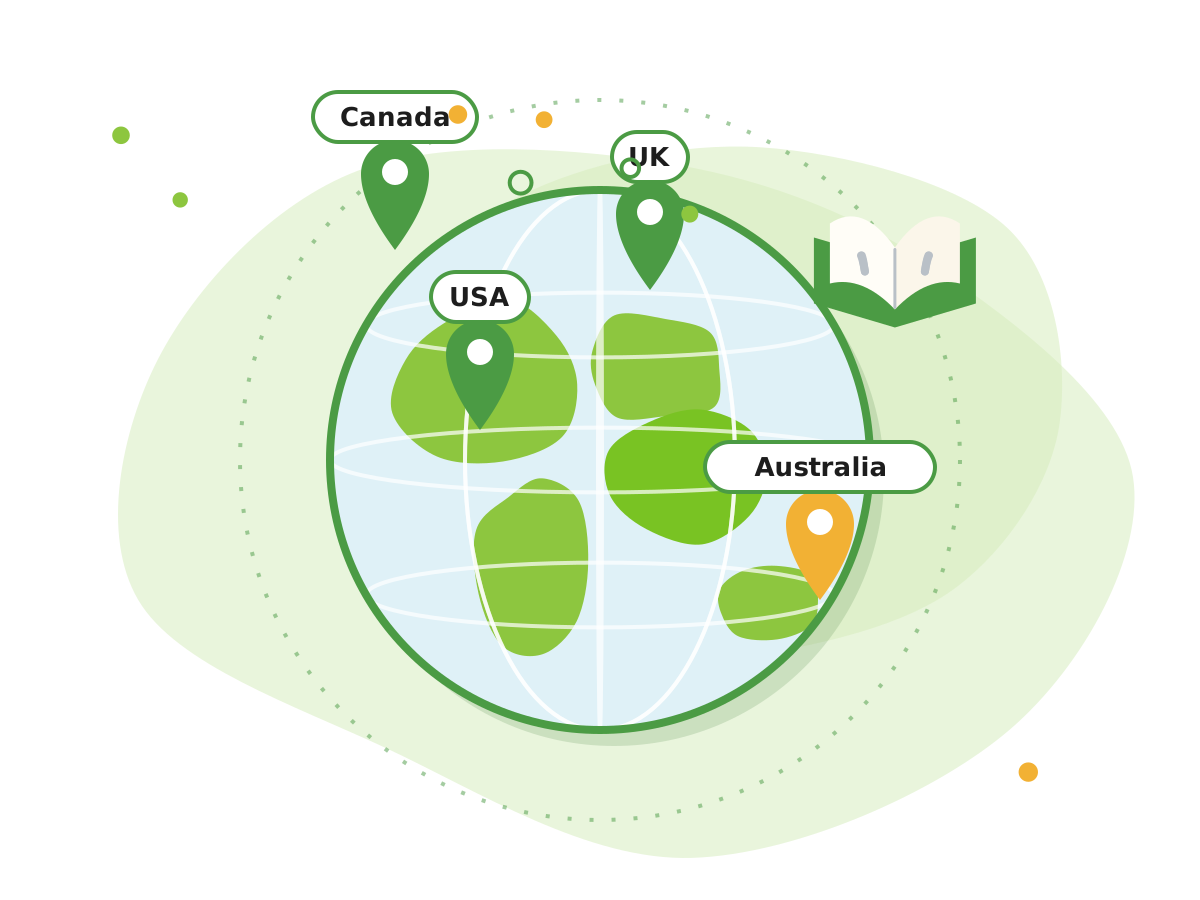
7 min read
When does Ramadan 2027 start, and how long is the fast where you live? Here are the expected dawn and sunset times on day one for 11 cities, and how we worked them out.
Read Guide6 min read
Not sure if your daughter should learn with a man or a woman? Here is a calm guide, a table to match your family, 6 questions to ask and a free way to try a class. It is your family's choice.
Read Guide6 min read
School is off, so winter break is a good time to build a small Quran habit. Here is a 10-day plan of 15 minutes a day, a table with each day's task and a free chart to colour in.
Read Guide6 min read
What izhar means, the 6 throat letters and how to read a clear noon. With a Quran example for every letter and a practice list to use with your teacher.
Read Guide6 min read
What idgham means, the 6 letters where a noon merges into the next word, and which ones keep a hum. With a Quran example for every letter and a practice list.
Read Guide6 min read
What iqlab means, when a noon sakinah or tanween changes to a hidden meem before baa, and how to read it with a hum. With four Quran examples and a practice list.
Read Guide6 min read
What ikhfa means, the 15 letters that start it and how to hide the noon with a hum. With five Quran examples and a practice list to use with your teacher.
Read Guide7 min read
There are 114 surahs in the Quran. Here is each key number with a short answer first and a source you can open: ayahs, juz, hizb, the longest and shortest surah, sajdah places, and Makki and Madani surahs.
Read Guide5 min read
The 5 qalqalah letters, when each one bounces and how to read it, with a Quran example for every letter. Plus a practice list to use with your teacher.
Read Guide6 min read
The seven letters that are always heavy, how to say heavy and light letters, and when the Laam in the name Allah is heavy. With a Quran example for each letter and a practice list.
Read Guide6 min read
Seven simple steps for readers who can already read the Quran and want a clearer, more correct recitation. Plus a 7-day practice table and a note on why a teacher helps.
Read Guide6 min read
Ten Tajweed mistakes, what each one sounds like, the rule behind it and how to fix it. Plus a 10-minute daily practice routine and a note on why a teacher still matters.
Read Guide6 min read
Not sure whether to pick a group or a private class? Here is a short answer, a table that matches each type to your goal, and 6 questions to ask any group class. We teach one-on-one only, so we also say where a group may suit you better.
Read Guide8 min read
A plain checklist for parents. Ask these 12 questions, know the camera and recording rules to expect, and learn what to do if something feels wrong. It links to official safety advice.
Read Guide8 min read
A plain-English map of Noorani Qaida lessons 1 to 17. See what each lesson teaches, how to practice it and when a tutor can help.
Read Guide7 min read
Here are 15 short surahs for kids, in the order that works best. Each one has its ayah count, a one-line meaning and tips for using it in salah.
Read Guide8 min read
Want to memorize the Quran and keep it? Here are 9 simple habits, each with one thing to do today, plus a daily plan for kids and adults.
Read Guide7 min read
You can start to learn the Quran with Tajweed for free. Here are 7 honest ways, what each one can do, and when a teacher saves you time.
Read Guide7 min read
Noorani, Madani and Baghdadi Qaida all teach you to read the Quran. Here is how they differ, and how to pick the right one for your child or for you.
Read Guide7 min read
Wudu steps for kids, one short line at a time. Plus an easy memory trick, a checklist to copy, tips for school and a 7-day plan for parents.
Read Guide8 min read
A gentle, age-by-age plan to teach your child salah, from the first copy at age 2 to all five prayers by age 10, with tips for praying at school.
Read Guide7 min read
Waqf signs are the small stop marks above the lines of the Quran. Here is what each one tells you to do, and how to stop and start again the right way.
Read Guide7 min read
Start with 20 names of Allah that kids hear in salah and duas. Each one has a simple meaning, a link to daily life and an easy activity.
Read Guide7 min read
Madd means stretching a long vowel in the Quran. Learn the 3 madd letters, the natural 2-count madd, and the main longer types in one simple chart.
Read Guide7 min read
An ijazah is a teacher's written permission to recite and teach the Quran. Here is what it means, what a sanad is, and how to tell a real one.
Read Guide7 min read
Sun and moon letters tell you when to say the 'l' in 'al' and when to skip it. Here is the rule in one line, both lists of letters and examples from short surahs.
Read Guide7 min read
The five pillars are the 5 main acts of a Muslim. Here each pillar is in a few short lines a child can read, with one thing to try this week and fun project ideas.
Read Guide7 min read
See the inside of a real 30-minute Quran class for a 4 year old, from the first hello to the last bit of praise. Plus a simple checklist to tell if your child is ready, or if it is better to wait.
Read Guide7 min read
Tajweed is how you say each sound. Tarteel is the calm, steady pace the Quran asks for. Here is the difference, with a simple table and an easy practice plan.
Read Guide7 min read
Your child (or you) just finished the Qaida. Here is the next step, a simple checklist to know you are ready, and the mistake that slows most families down.
Read Guide8 min read
A teacher's plan to read the whole Quran in Ramadan: about 20 pages a day split around the 5 prayers, a slower plan for new readers, and a plan for kids.
Read Guide7 min read
There is no single number of tajweed rules. Many teachers use 8 to 10 main families, or 30 or more small rules. See each type and the best order to learn them.
Read Guide7 min read
Hifz means learning the whole Quran by heart. Here is what the word means, what a Hifz class looks like each day, and who is ready to start.
Read Guide8 min read
Read the Quran as a child but lost it over the years? This gentle 4-week plan helps you find your gaps, relearn only what you lost and read with ease again.
Read Guide7 min read
Six simple tajweed rules for kids, in the order to teach them. Each one has a picture word, a short game and a tip for parents to use at home.
Read Guide7 min read
A fair look at a Quran tutor at home versus live 1-on-1 classes online. Compare safety, cost, female tutors, travel and progress records, then pick what suits your child.
Read Guide8 min read
A weekend Islamic school gives your child friends, prayer and Islamic studies. A private online Quran class gives reading time. Most children do best with both. Keep the weekend school and add 2 short weekday classes. Salam Campus is online only. We do not run a weekend school in Mississauga or anywhere else.
Read Guide8 min read
Twelve short duas for the key moments of a child's day, each with easy English letters, a plain meaning and a cue for when to say it. Plus a simple plan to teach one dua a week.
Read Guide7 min read
The 3 meem sakinah rules on one page, with lip tips and one short example each from Juz Amma. End with a 5-question quiz to check what you know.
Read Guide9 min read
A 7-step plan to learn the Quran online, for children and adults. Start from your goal, find your level, set up your class and know what to expect in 90 days.
Read Guide8 min read
A typical plan for a full Hifz is about 3 years with daily classes and home practice. Here is what changes that time, with honest plans for children, adults and smaller goals.
Read Guide8 min read
You can learn a lot of the Quran on your own. But some parts need a teacher who can hear you. Here is an honest split, and a simple plan that mixes both.
Read Guide8 min read
A real weekly plan for New Jersey families: Eastern Time class slots for two children and a commuting parent, how online lessons sit next to weekend Islamic school, and fees in USD.
Read Guide8 min read
A plain guide for adults in Canada: class times in all 6 time zones, three starting points, fees in Canadian dollars, help for new Muslims and what happens in your first class.
Read Guide8 min read
How adults in the UK can learn the Quran one-to-one online: where to start, lessons around work and the clock change, female tutors, reverts, fees in pounds and adult Hifz.
Read Guide10 min read
Start with An-Nas and work back, one short surah at a time. Here is the full list of 37 surahs, a sample week, a 10-minute home routine and how long it really takes.
Read Guide8 min read
The teacher teaches, but home is where the habit grows. Set up a small Quran corner, keep one fixed time, practice 10 minutes a day and read the teacher's notes.
Read Guide8 min read
Online Quran classes work well for many children and adults, but not for everyone. Here is when they work, when they do not, and a fair look at online classes next to a local madrasa.
Read Guide6 min read
Quran class times after school in each Australian state, in summer and in winter. See how school terms, holidays and Ramadan fit in too.
Read Guide10 min read
The 6 Tajweed rules to learn first, in order, each with one plain example from Al-Fatihah or the short surahs you already know.
Read Guide9 min read
There is no single magic age. Children can listen from birth, and most are ready for short lessons at about 4. Hifz usually starts near 7, once reading is fluent.
Read Guide8 min read
It is not too late to read the Quran from the page. This step-by-step guide shows adults how to go from the first letter to short surahs, with an honest timeline.
Read Guide8 min read
A typical plan for Noorani Qaida is 4 to 6 months for a child and about 3 months for an adult, at 3 classes a week. Here is what speeds it up or slows it down.
Read Guide8 min read
A simple checklist for parents and adults. Ask these 10 questions, watch for a few signs in the trial class, and you will know if a teacher is right for you.
Read Guide9 min read
A calm, step-by-step plan for your first 90 days as a Muslim. Learn the surahs you need for prayer first, then the Arabic letters, then reading.
Read Guide8 min read
Sabaq, sabqi and manzil are the three parts of the classic Hifz day. Here is what each one means, with sample routines for a child and a working adult.
Read Guide10 min read
All 4 noon sakinah and tanween rules on one page. See which letters trigger each rule, how it should sound, and short examples you can check in your own mushaf.
Read GuideIt is hard to choose a Quran teacher online. So we made the first step free. Every step after it is easy to undo.
Parents may join any class. You can listen in from the next chair.
Meet a qualified male or female tutor in a live 1-on-1 class. Pick a time that suits you. No card details are needed, and you do not have to sign up.
Book a Free TrialMessage us on WhatsApp, email us or send the form. We will reply with a trial time, most often within 24 hours.